
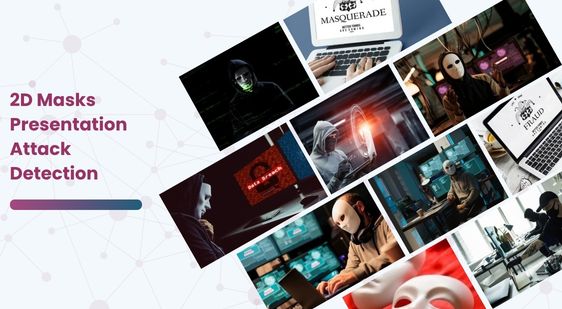
The convenience of face unlock on smartphones, seamless airport security checks, and contactless payment systems has revolutionized how we interact with technology. But as facial recognition becomes ubiquitous, a shadowy challenge emerges: presentation attacks. Among these, 2D mask attacks—using photographs, printed images, or digital displays to fool AI systems—pose one of the most prevalent threats to biometric security.
The Growing Threat of 2D Mask Presentation Attacks
Imagine walking up to a secure facility where an intruder simply holds up a high-resolution photo of an authorized person and gains access. Or consider a scenario where someone uses a tablet displaying a colleague’s social media photo to unlock a corporate device. These aren’t scenes from a spy thriller—they’re real-world vulnerabilities that plague inadequately protected facial recognition systems.
2D mask presentation attacks exploit a fundamental weakness in basic face recognition: the inability to distinguish between a real, living face and a flat representation of one. Attackers can use everything from printed photographs and magazine cutouts to smartphone screens and laptop displays to deceive AI systems.
The sophistication of these attacks continues to evolve. Today’s threats include:
- High-resolution printed photos with realistic skin textures
- Digital displays showing recorded videos of target individuals
- Cut-out masks with eye holes for movement simulation
- Warped images designed to fool depth-sensing cameras
As facial recognition adoption accelerates across industries—from banking and healthcare to smart homes and autonomous vehicles—the stakes for robust protection have never been higher.
Why Standard AI Models Fall Short
Traditional facial recognition systems focus on identifying who someone is, not whether they’re actually present. This fundamental gap creates vulnerabilities that malicious actors eagerly exploit.
Most basic AI models analyze facial features, proportions, and patterns—characteristics that can be replicated in high-quality 2D representations. Without specialized training to detect the subtle differences between live faces and flat images, these systems become sitting ducks for presentation attacks.
The challenge intensifies when considering real-world deployment conditions:
- Varying lighting environments that can mask telltale signs of printed materials
- Different camera qualities across devices and security systems
- Cultural and demographic diversity requiring robust detection across all user populations
- Environmental factors like reflections, shadows, and screen glare that complicate detection
The Science Behind Effective 2D Mask Detection
Detecting 2D presentation attacks requires AI models trained on sophisticated datasets that capture the nuanced differences between authentic faces and their flat representations. GTS.AI specializes in building these critical training datasets through advanced collection methodologies designed specifically for presentation attack detection.
Multi-Angle Capture Scenarios
Effective 2D mask detection datasets must include diverse presentation angles and attack vectors. GTS.AI’s data collection process captures:
- Various attack materials: Professional prints, smartphone displays, tablet screens, magazine photos, and laser-printed images
- Different environmental conditions: Indoor/outdoor lighting, fluorescent/natural illumination, and challenging shadow scenarios
- Multiple camera perspectives: Front-facing, angled approaches, and security camera viewpoints
- Device diversity: Smartphone cameras, security systems, kiosks, and tablet sensors
Demographic and Cultural Representation
Real-world deployment demands datasets that perform equally well across all user populations. This requires careful attention to:
- Ethnicity and skin tone diversity to ensure detection accuracy across different complexions
- Age range coverage from young adults to elderly users
- Facial hair and accessory variations including glasses, makeup, and cultural face coverings
- Gender representation ensuring balanced model performance
Annotation Precision for Security Applications
The difference between a successful detection and a catastrophic security breach often lies in annotation quality. GTS.AI employs rigorous human review processes where security experts:
- Classify attack sophistication levels from basic printouts to advanced display techniques
- Identify subtle visual cues that distinguish live faces from 2D representations
- Validate edge cases where lighting or material quality might challenge detection
- Ensure consistent labeling standards across massive datasets
Real-World Applications Driving Demand
The need for robust 2D mask presentation attack detection spans numerous high-stakes industries:
Financial Services: Banks implementing facial recognition for account access and transaction approval need ironclad protection against photo-based fraud attempts.
Healthcare Systems: Patient identity verification in telemedicine and prescription systems requires certainty that the person accessing medical records is physically present.
Corporate Security: Enterprise environments using face-based access controls must prevent unauthorized entry through photograph spoofing.
Smart Device Integration: Consumer electronics with facial unlock features need seamless user experience while maintaining security against family members using photos for unauthorized access.
Border Control and Aviation: Immigration checkpoints and airport security depend on presentation attack detection to prevent identity fraud in critical security scenarios.
The Dataset Quality Imperative
Building AI systems capable of thwarting sophisticated 2D mask attacks demands more than standard facial recognition data. It requires specialized datasets that capture the subtle textures, lighting interactions, and depth characteristics that distinguish living faces from flat representations.
Quality factors that separate effective detection systems from vulnerable ones include:
- Material texture diversity covering everything from glossy photo paper to matte smartphone screens
- Lighting interaction patterns showing how different materials reflect and absorb light compared to human skin
- Motion analysis capabilities detecting the rigid movement patterns of held objects versus natural facial expressions
- Edge detection training identifying the sharp boundaries where masks meet backgrounds
When AI models train on comprehensive datasets encompassing these nuanced scenarios, they develop sophisticated detection capabilities that adapt to emerging attack methodologies while maintaining user-friendly authentication experiences.
Securing Tomorrow’s AI-Powered World
As facial recognition technology becomes increasingly integral to digital security infrastructure, the race between authentication systems and attack methodologies intensifies. Organizations deploying face-based security cannot afford to treat presentation attack detection as an afterthought.
The investment in robust 2D mask detection capabilities today determines whether tomorrow’s AI systems will be trusted guardians of digital security or vulnerable entry points for sophisticated threats.
Ready to fortify your facial recognition systems against presentation attacks? Partner with GTS.AI to build custom datasets that train your AI models to detect even the most sophisticated 2D mask spoofing attempts. Our specialized data collection and annotation processes ensure your security systems stay ahead of evolving threats while delivering seamless user experiences.


